This Land is Your Land is a mid-century modern inspired abstract painting that draws its title from Woody Guthrie’s enduring folk anthem. Through layered geometric forms, gestural linework, and a palette of glowing reds, ochres, charcoal, cream, and soft violet, the work explores themes of shared identity, connection, and the visual rhythm of collective experience.
Structured yet intuitive, the composition balances order and improvisation — echoing the spirit of mid-century design while maintaining a contemporary, process-driven sensibility. The clustered forms suggest neighborhoods, conversations, maps, windows, or memories assembled into a unified whole.
Inspired by Guthrie’s vision of belonging and common ground, the painting reflects on the ways individuals occupy space together: separate, imperfect, and interconnected. Scribbled marks and layered textures reveal traces of revision and movement, emphasizing the human hand and the evolving nature of place and community.
This piece continues Tarah Trueblood’s exploration of harmony and dissonance through abstract geometric language, where color, structure, and spontaneity exist in dynamic conversation.
This Land is Your Land is a mid-century modern inspired abstract painting that draws its title from Woody Guthrie’s enduring folk anthem. Through layered geometric forms, gestural linework, and a palette of glowing reds, ochres, charcoal, cream, and soft violet, the work explores themes of shared identity, connection, and the visual rhythm of collective experience.
Structured yet intuitive, the composition balances order and improvisation — echoing the spirit of mid-century design while maintaining a contemporary, process-driven sensibility. The clustered forms suggest neighborhoods, conversations, maps, windows, or memories assembled into a unified whole.
Inspired by Guthrie’s vision of belonging and common ground, the painting reflects on the ways individuals occupy space together: separate, imperfect, and interconnected. Scribbled marks and layered textures reveal traces of revision and movement, emphasizing the human hand and the evolving nature of place and community.
This piece continues Tarah Trueblood’s exploration of harmony and dissonance through abstract geometric language, where color, structure, and spontaneity exist in dynamic conversation.
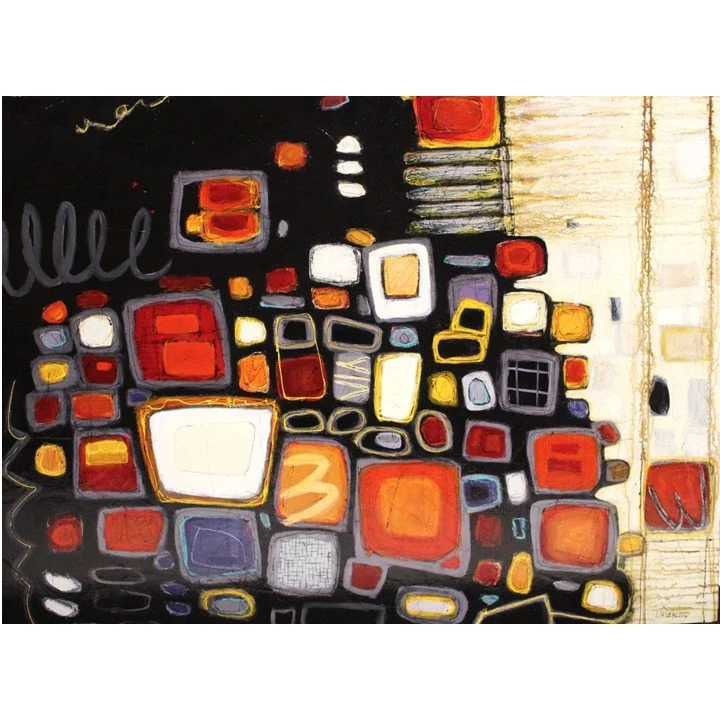 Image 1 of 13
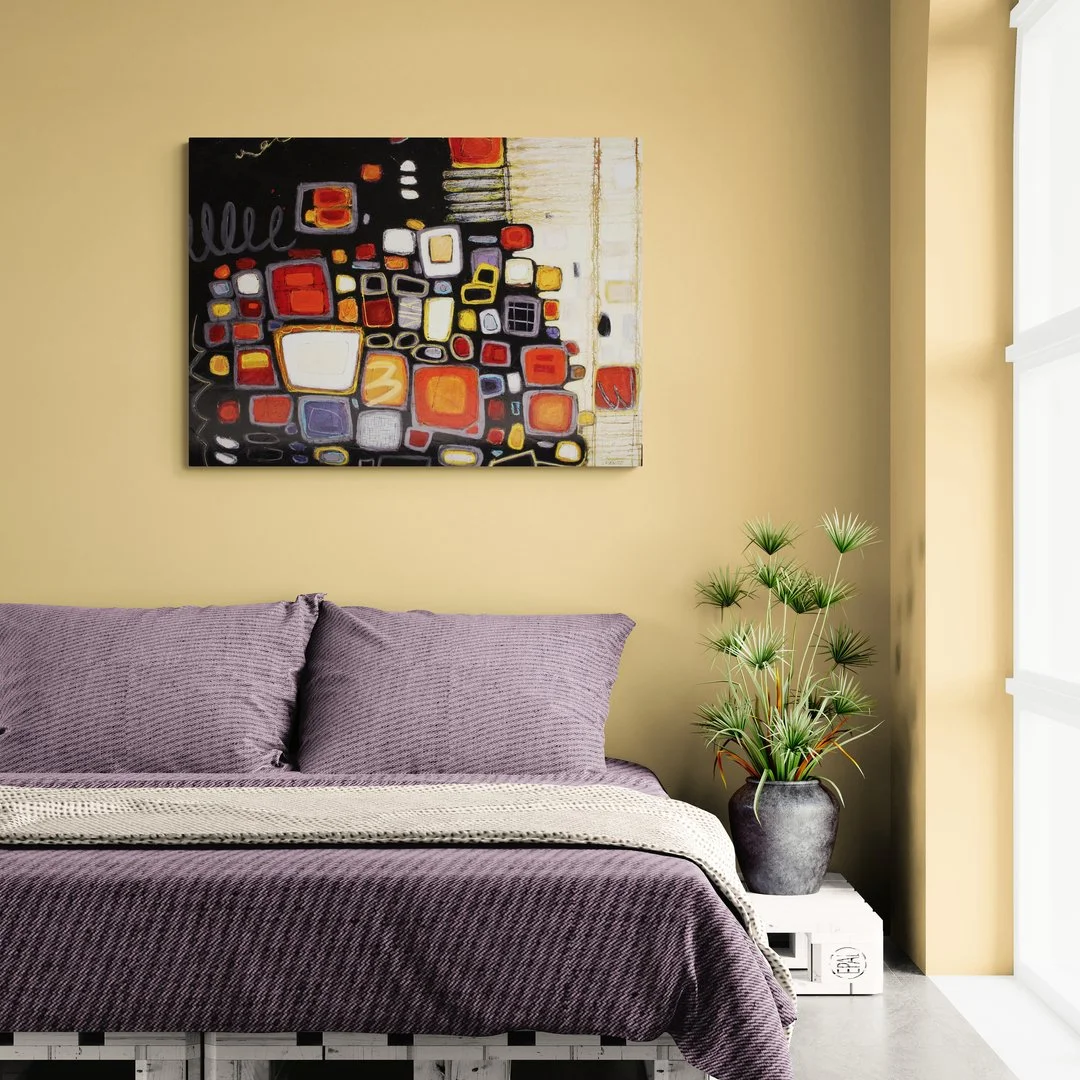 Image 2 of 13
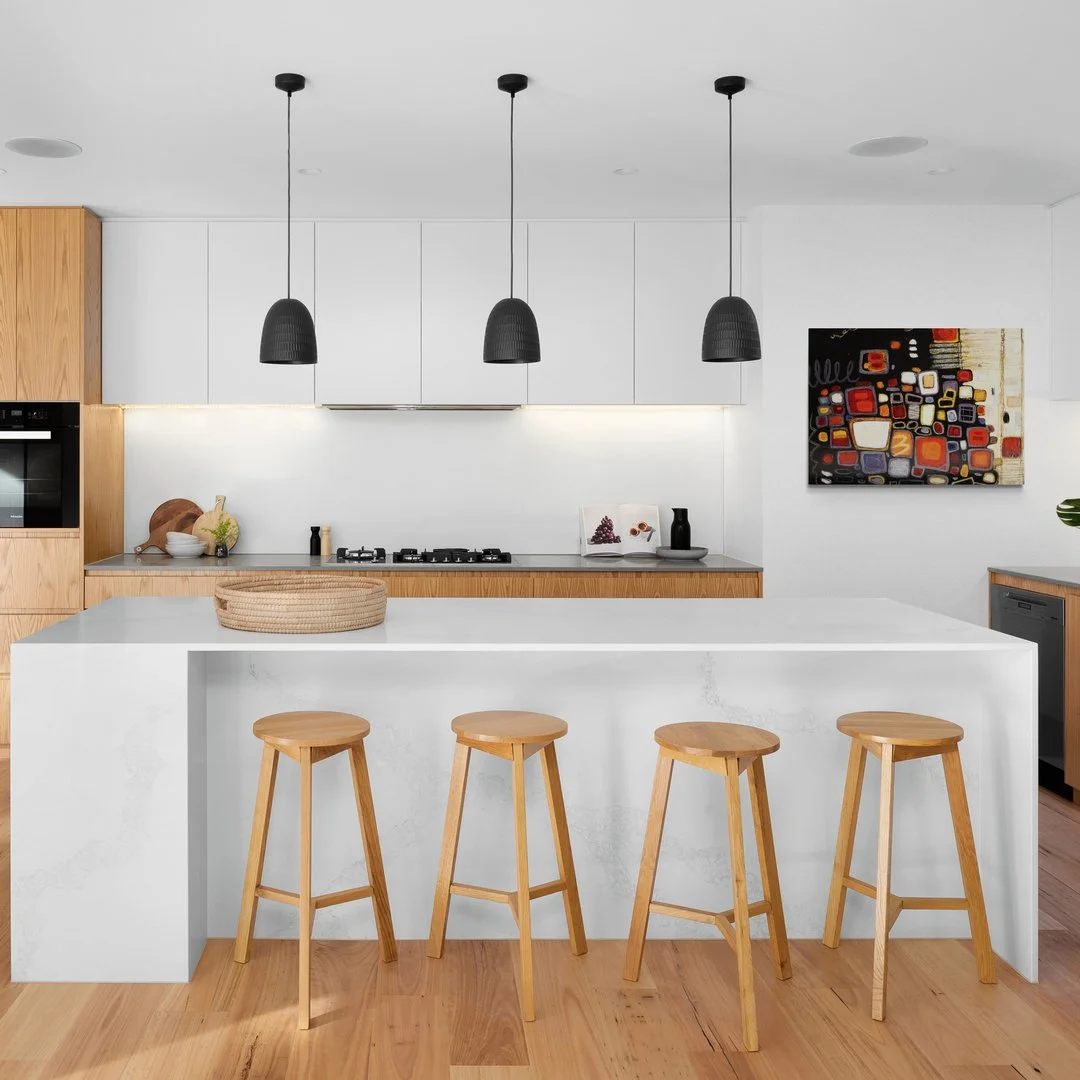 Image 3 of 13
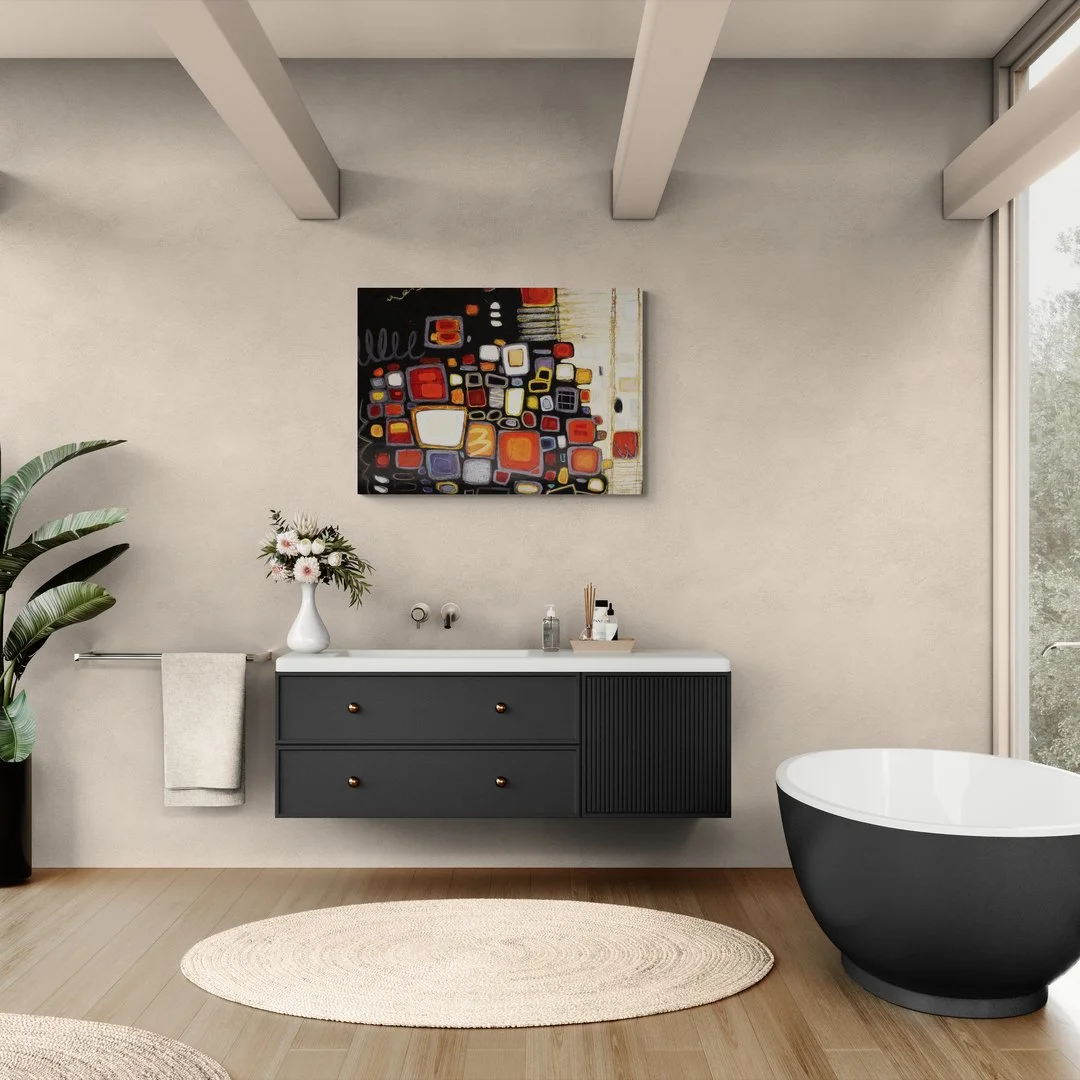 Image 4 of 13
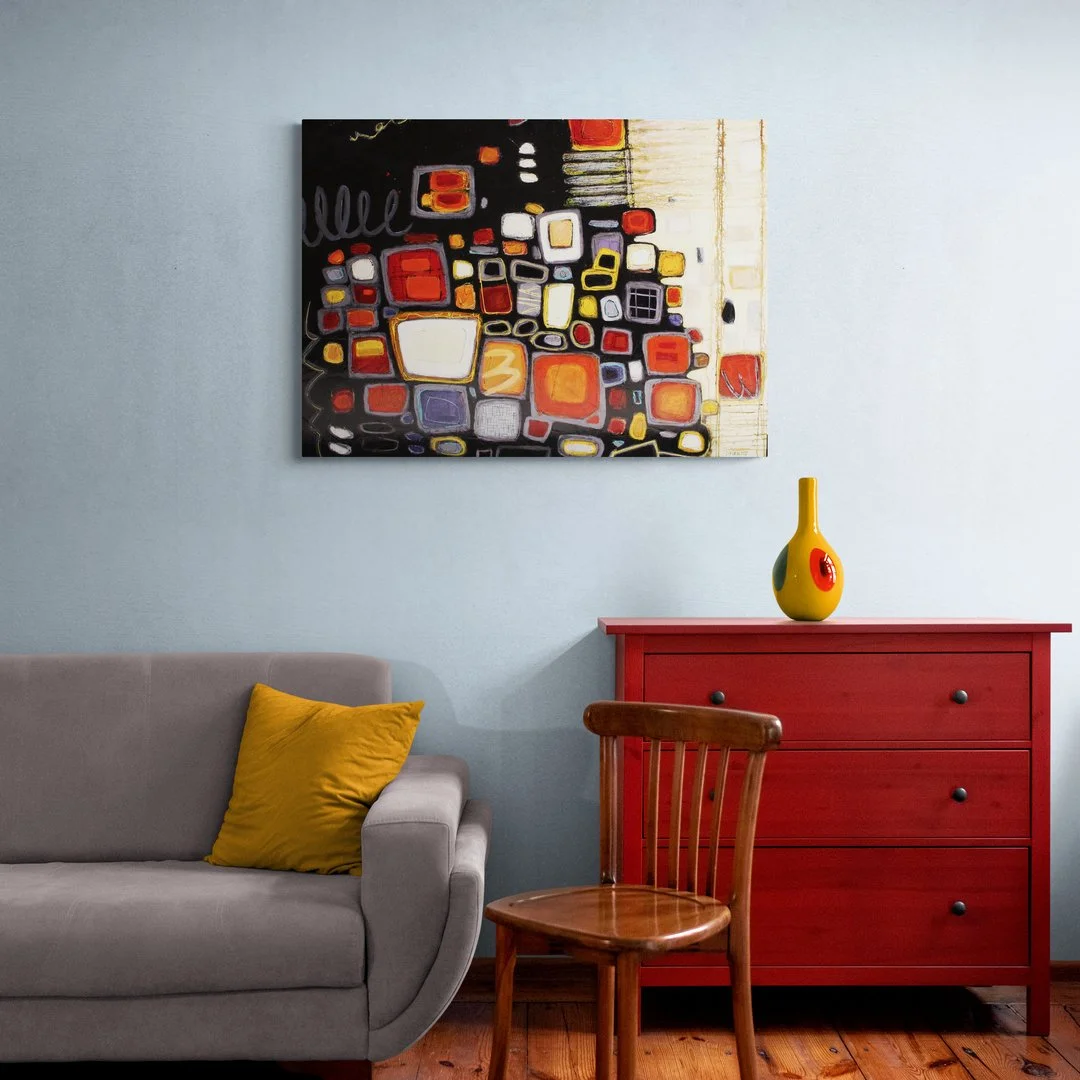 Image 5 of 13
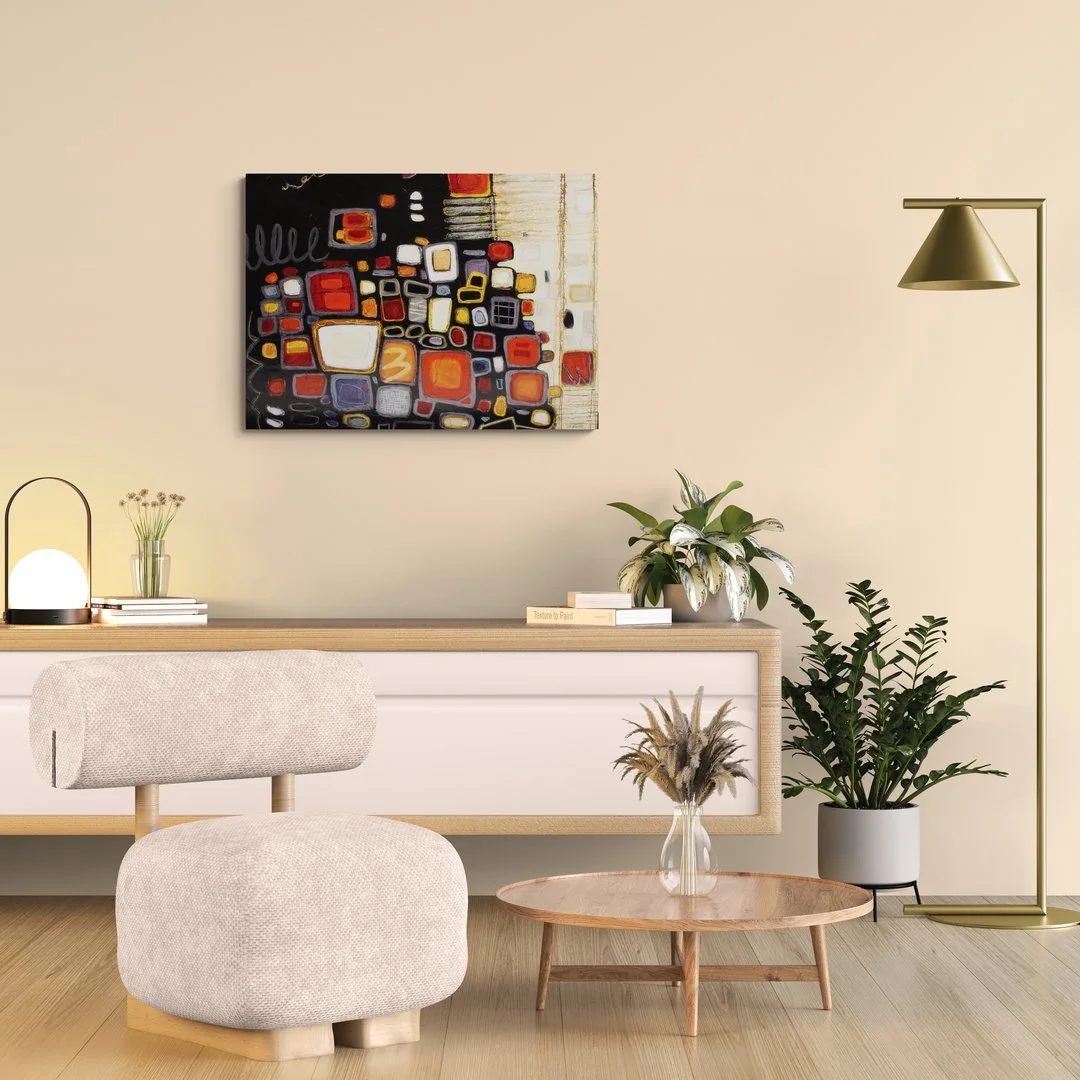 Image 6 of 13
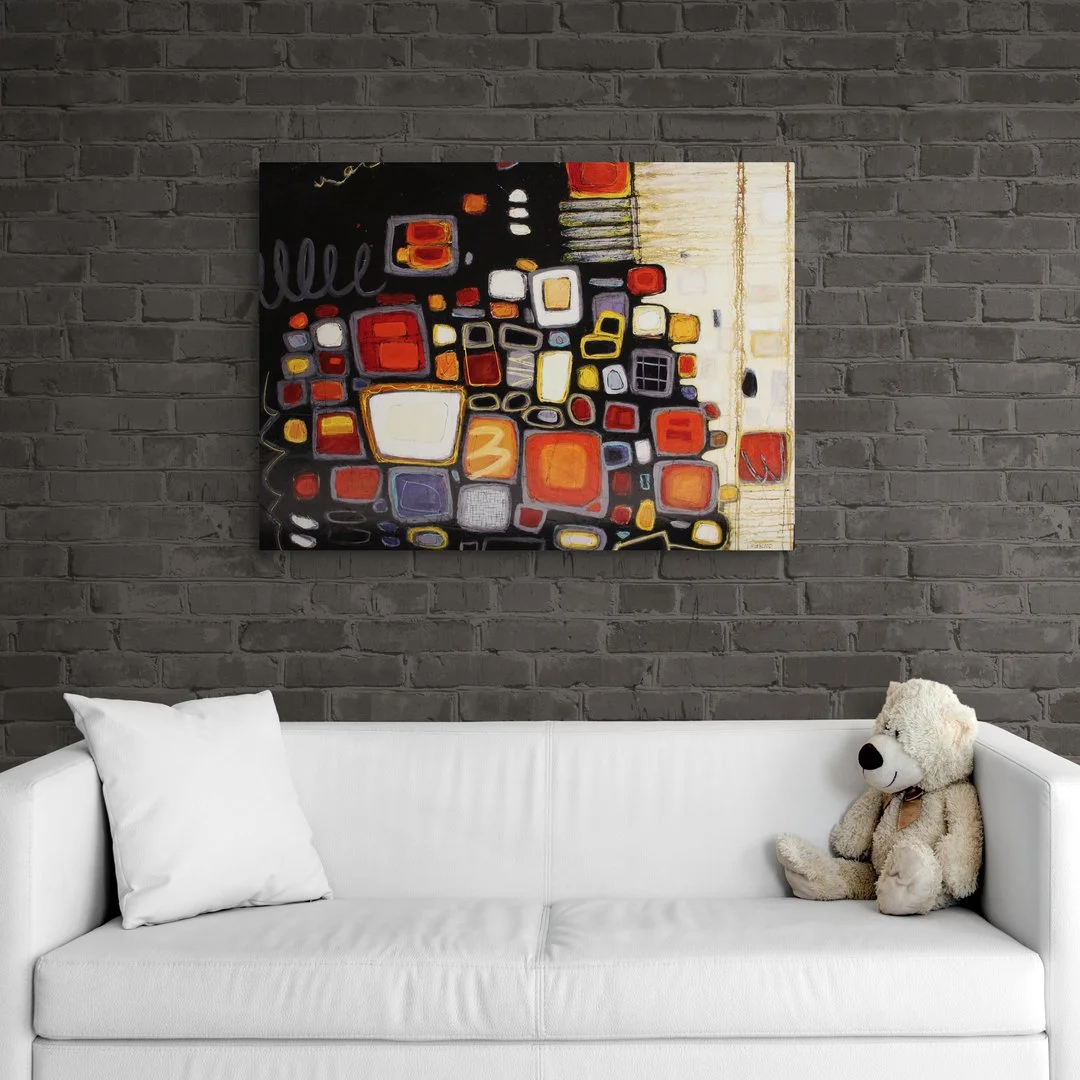 Image 7 of 13
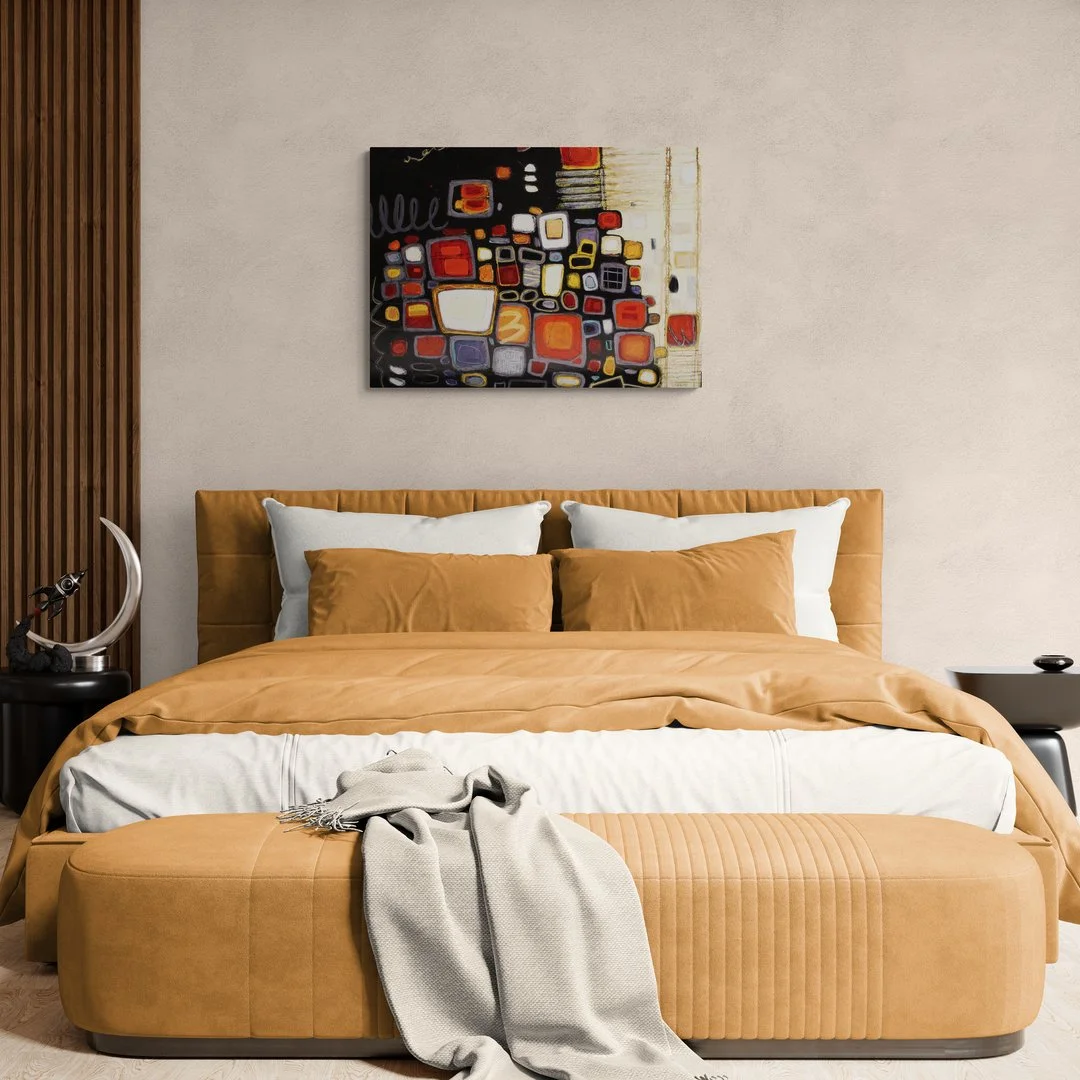 Image 8 of 13
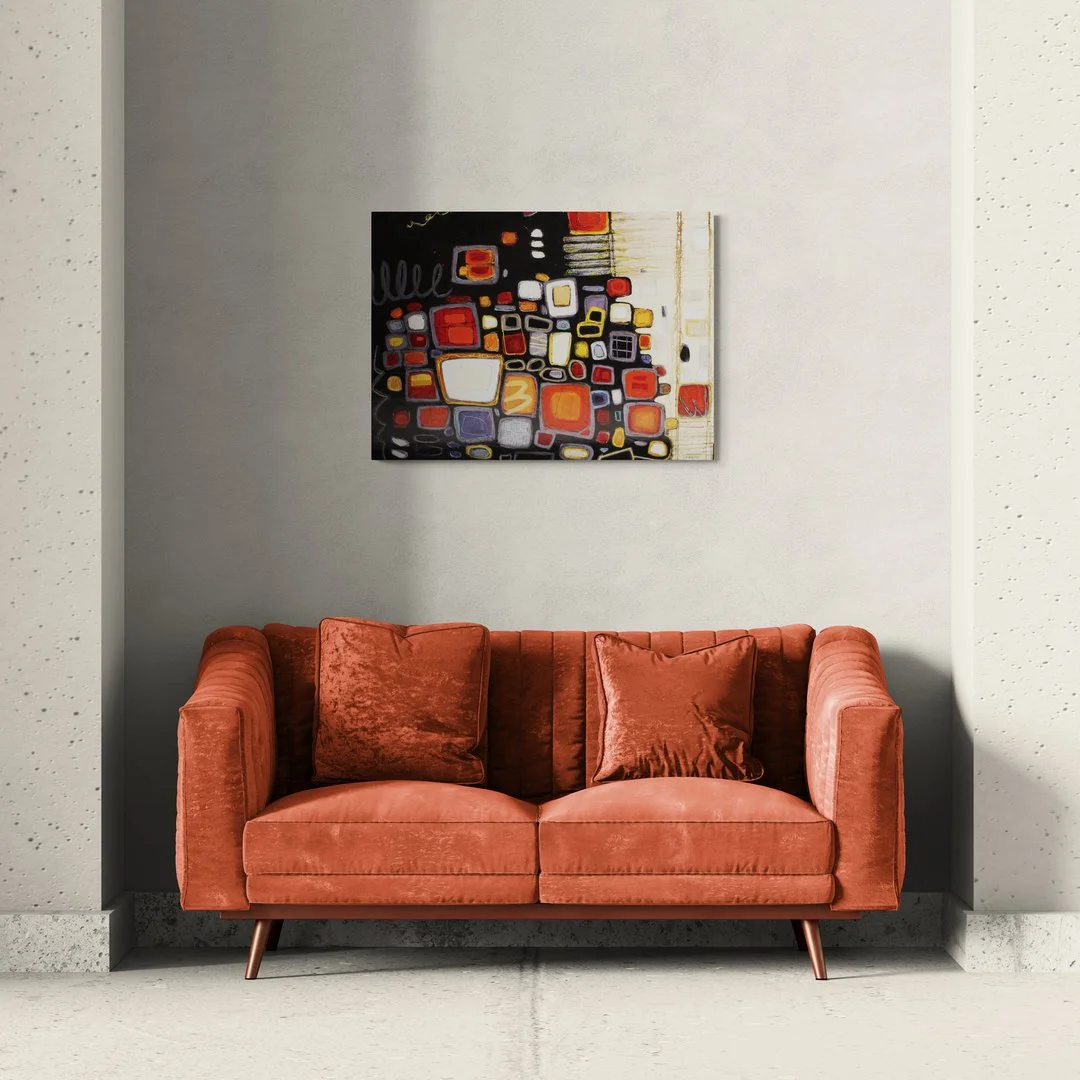 Image 9 of 13
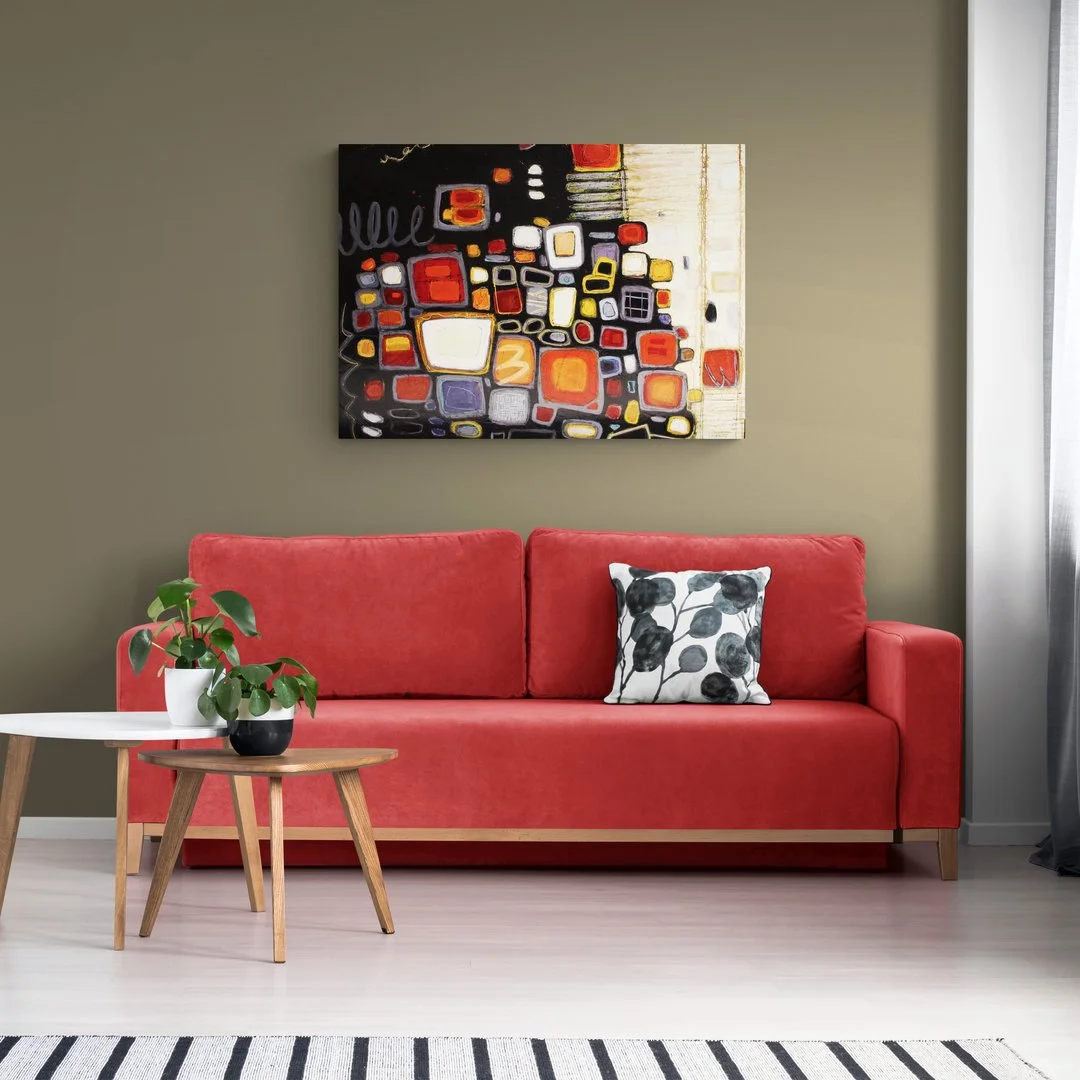 Image 10 of 13
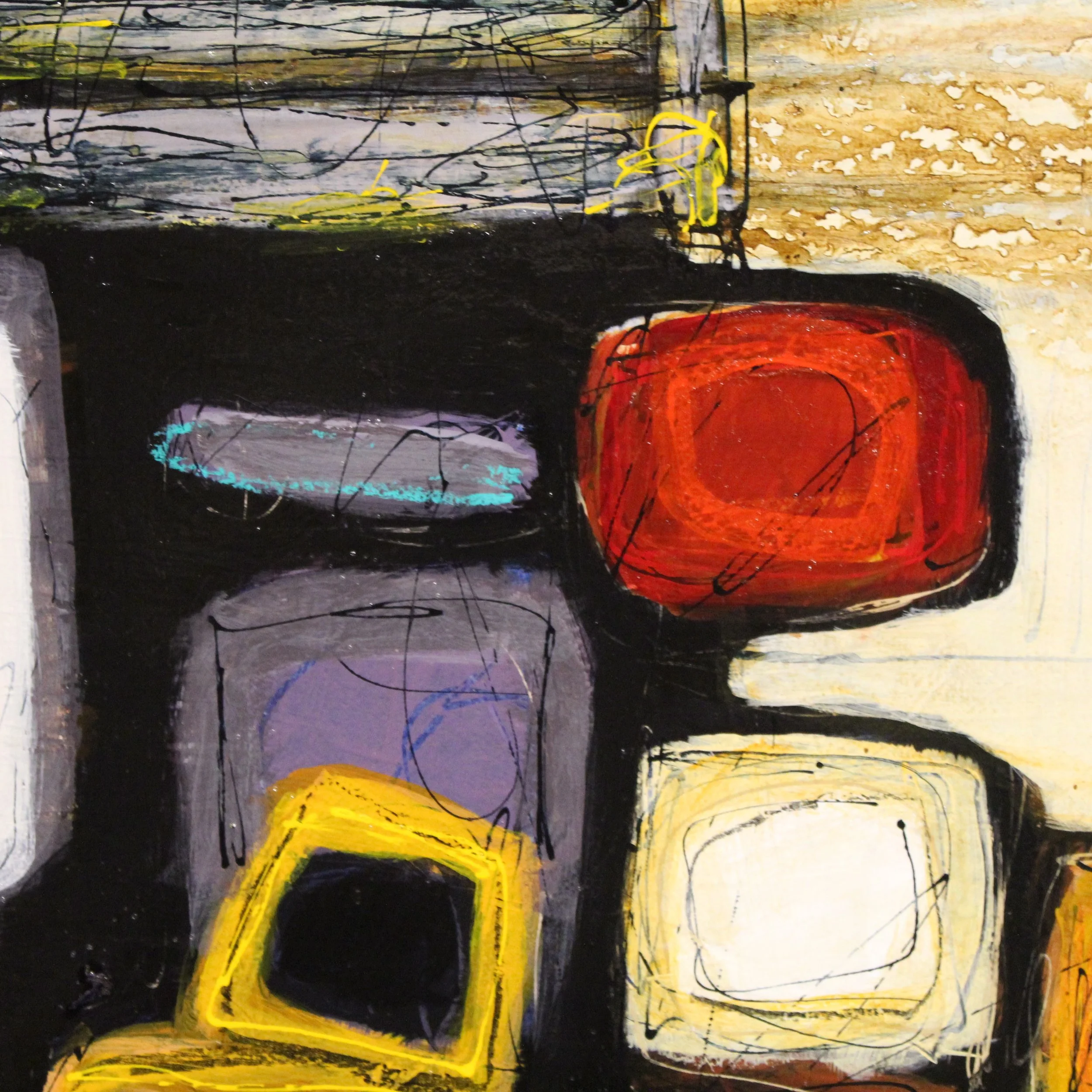 Image 11 of 13
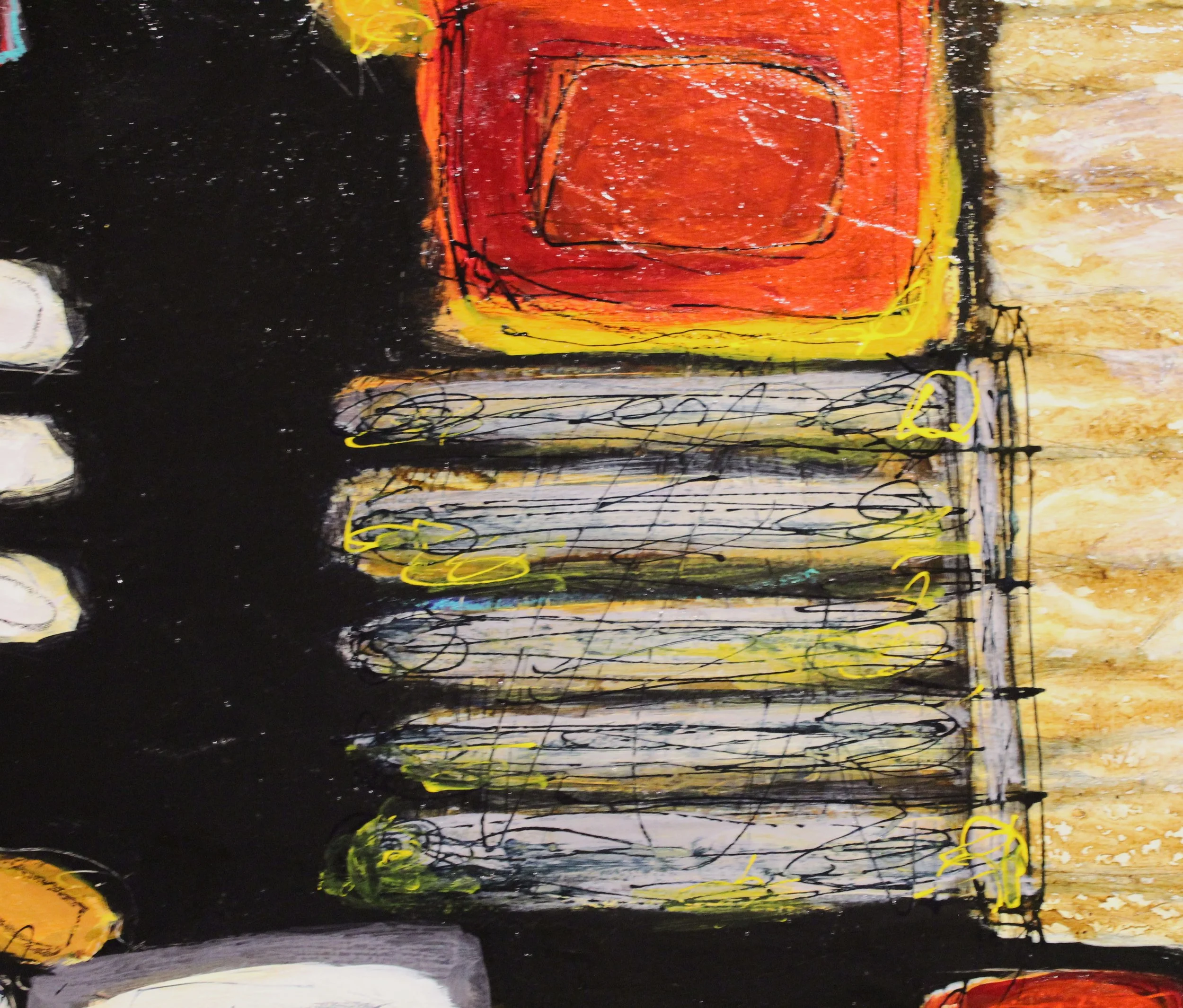 Image 12 of 13
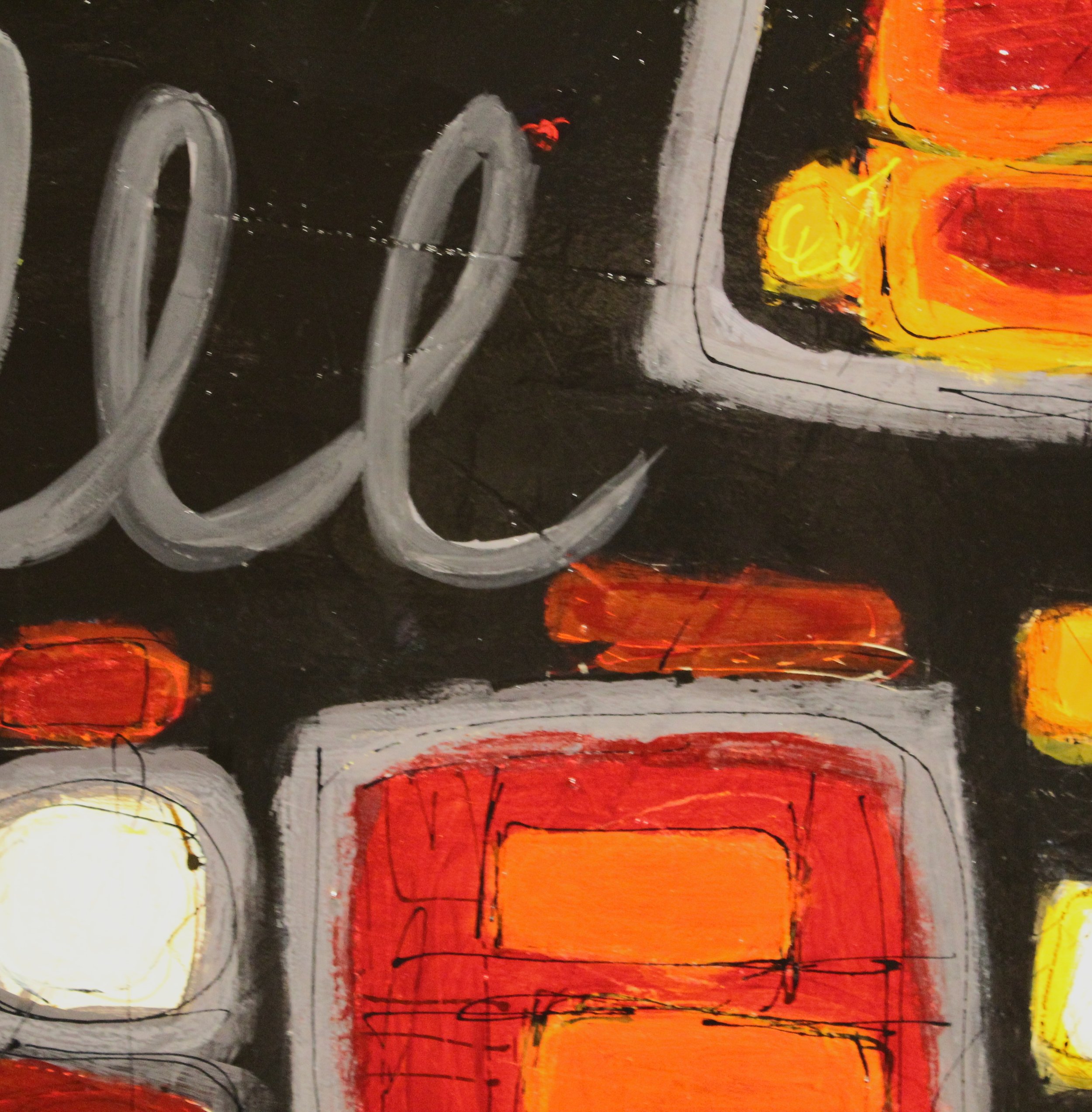 Image 13 of 13